

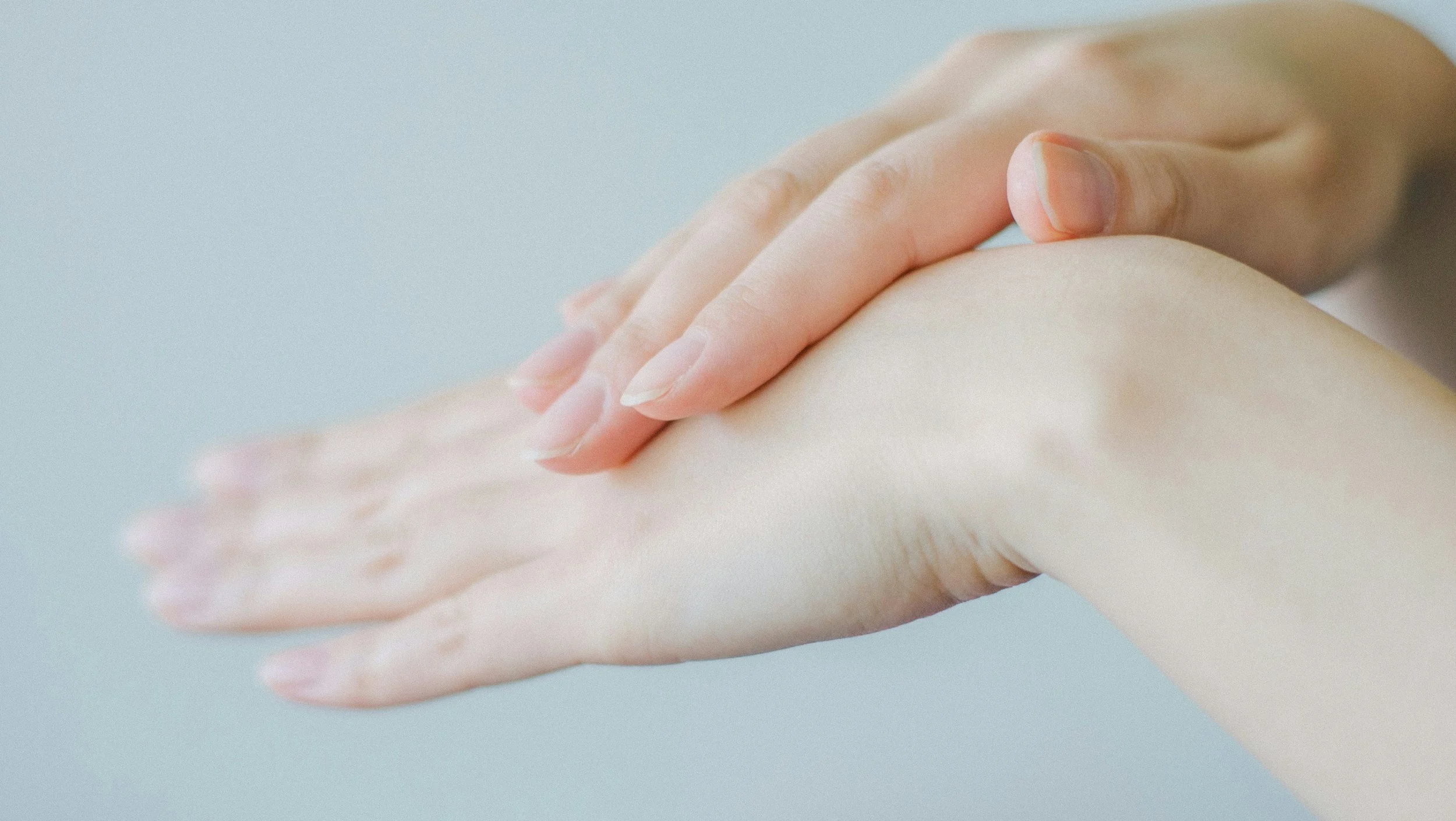
Eczema Awareness Month: Why Your Skin Flares Up and What You Can Do About It
What Is Eczema?
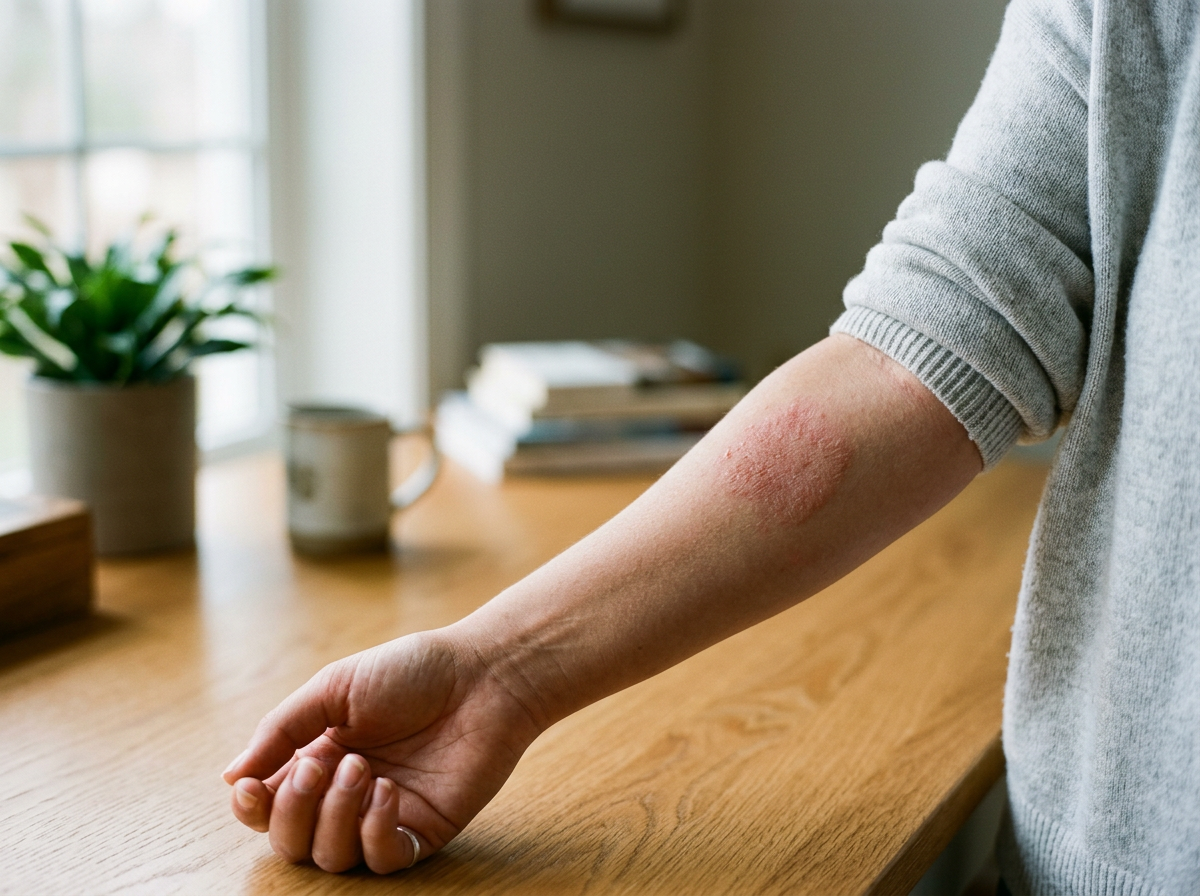
Eczema is a condition that causes dry, itchy and inflamed skin. The most common type, atopic dermatitis, affects the skin's protective barrier, making it harder to retain moisture.
Common symptoms include:
Dry, rough or scaly skin
Redness and irritation
Persistent itching
Cracked or sensitive skin
Did you know? Eczema is not contagious and can develop at any age.
What Triggers Eczema Flare-Ups?
Triggers vary between individuals, but common ones include:
Weather changes: Cold, dry air or excessive heat and sweating.
Skincare products: Fragranced soaps and harsh cleansers.
Stress: Emotional stress may worsen symptoms.
Clothing: Wool and rough fabrics can irritate sensitive skin.
Environmental allergens: Dust mites and other allergens may contribute to flare-ups in some people.
5 Simple Ways to Manage Eczema
1. Moisturise daily
Use a fragrance-free moisturiser regularly to help protect the skin barrier.
2. Keep showers short
Choose lukewarm water and avoid harsh soaps.
3. Choose gentle products
Look for fragrance-free skincare products suitable for sensitive skin.
4. Avoid overheating
Wear soft, breathable clothing and keep your skin cool.
5. Follow appropriate treatment
Some flare-ups require prescribed treatments. Speak with a healthcare professional if symptoms persist.
When Should You Seek Medical Advice?
Consider seeking medical advice if eczema:
Frequently disrupts sleep
Causes persistent itching or discomfort
Does not improve with regular skincare
Becomes increasingly painful or inflamed
Signs of infection, such as spreading redness, warmth, oozing, yellow crusting or fever, require prompt medical assessment.
Healthy Skin Starts With Good Habits
Although eczema has no permanent cure, consistent skincare and appropriate treatment can help manage symptoms and reduce flare-ups.
This Eczema Awareness Month, take a moment to understand your skin and give it the care it deserves.
This article provides general health information and does not replace personalised medical advice.