

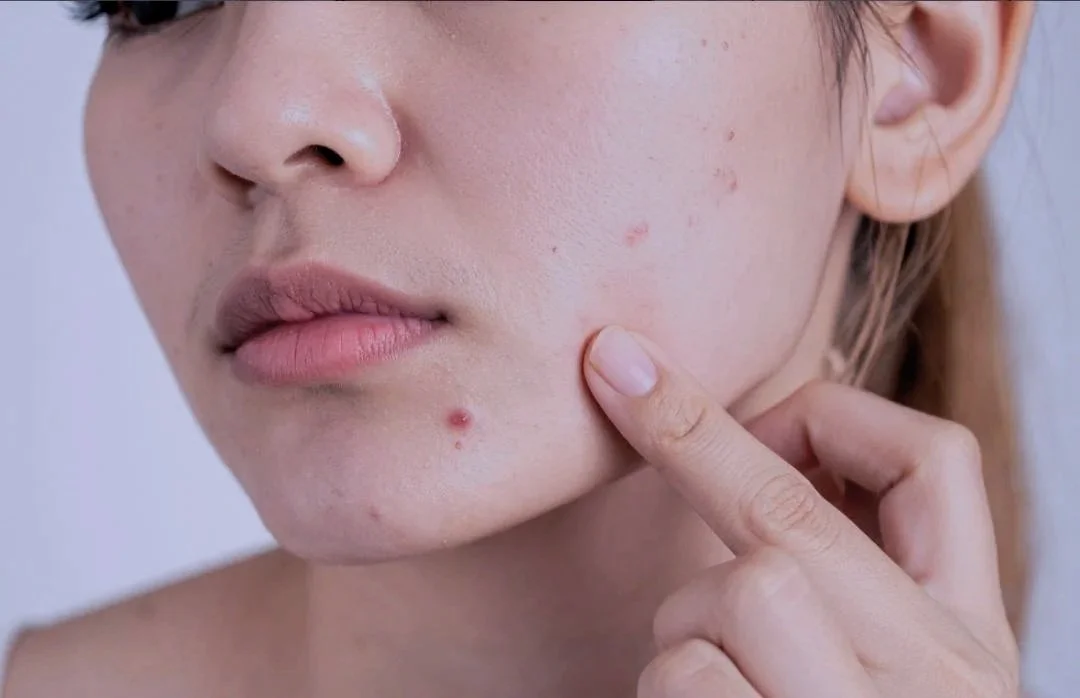
Acne Awareness Month: Understanding Acne and When to Seek Help
June is Acne Awareness Month, a time to raise awareness about one of the most common skin conditions affecting Australians of all ages.
While acne is often associated with teenagers, it can affect adults as well and may have a significant impact on confidence, self-esteem and overall wellbeing.
What is Acne?
Acne develops when hair follicles become blocked with oil (sebum), dead skin cells and bacteria. This can lead to blackheads, whiteheads, pimples and, in some cases, painful cysts.
Acne most commonly appears on the face, chest, shoulders and back.
Common Causes and Triggers
Several factors can contribute to acne, including:
Hormonal changes
Genetics and family history
Stress
Certain medications
Oily or pore-clogging skincare products
It’s important to remember that acne is a medical condition and is not caused by poor hygiene.

Acne Myths
Myth: Only teenagers get acne.
Fact: Adult acne is common and can affect people well into their 20s, 30s and beyond.
Myth: Washing your face more often will clear acne.
Fact: Excessive washing can irritate the skin and may make symptoms worse.
Myth: Acne will always go away on its own.
Fact: Some people may require treatment to prevent ongoing breakouts and reduce the risk of scarring.
When Should You See a GP?
It may be helpful to speak with your GP if:
Acne is painful or severe
Over-the-counter products are not helping
Acne is causing scarring
Your skin condition is affecting your confidence or mental wellbeing
Your GP can assess your symptoms and discuss suitable treatment options based on your individual circumstances.
Acne is one of the most common skin conditions, and support is available. If acne is affecting your skin, confidence or quality of life, speaking with a healthcare professional can be a good first step.
If you would like to discuss your skin concerns, book an appointment with your GP.
Disclaimer: This article provides general information only and is not intended as medical advice. Please consult your GP for personalised assessment and treatment recommendations.